
What Is Work Fragmentation and Why It Happens at Work
 Kapil Garg |
Updated: April 30, 2026
Kapil Garg |
Updated: April 30, 2026
- What Is Work Fragmentation?
- Signs Your Team Is Working in Fragments
- Why Work Fragmentation Happens
- The Hidden Costs of Fragmented Work
- How to Reduce Work Fragmentation
- How Clockdiary Helps Tackle Work Fragmentation
- Final Thoughts
- FAQs
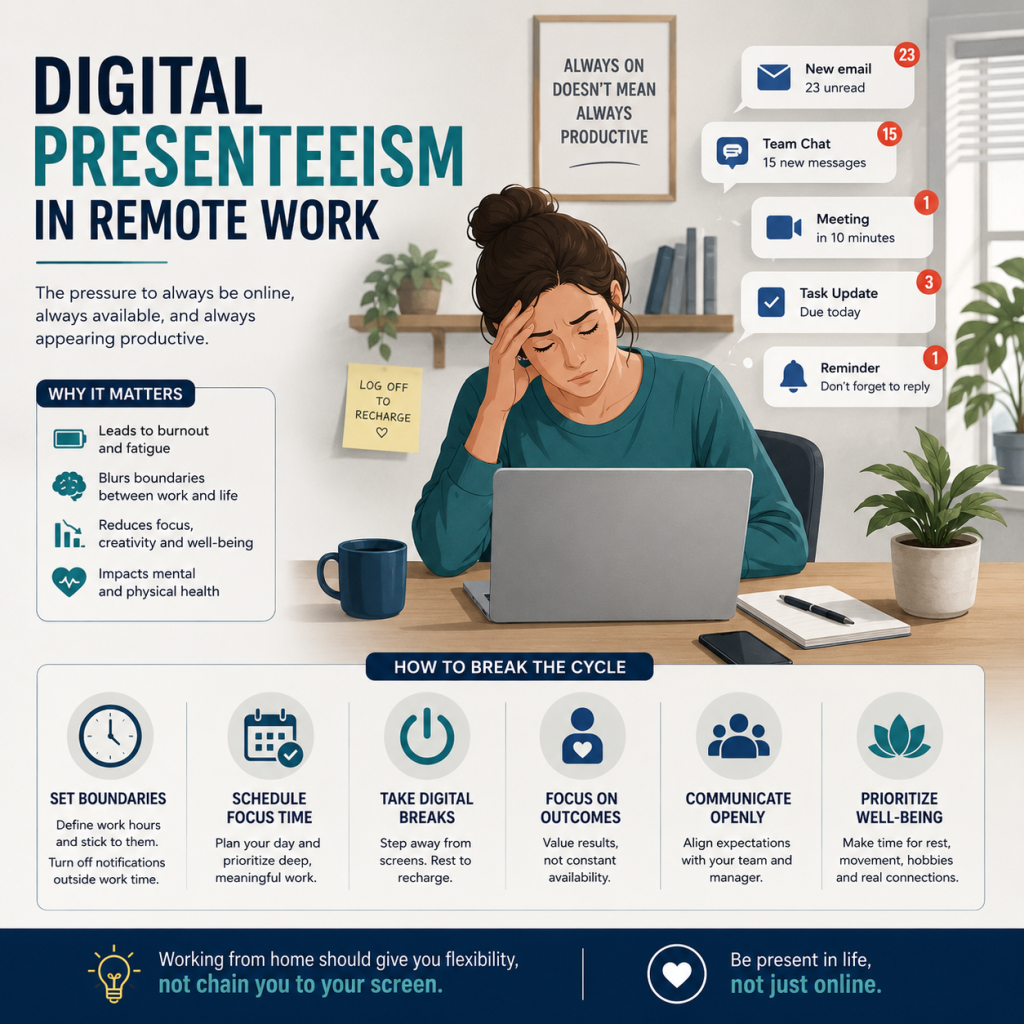
You sit down to write a report. Two minutes in, a Slack ping. Five minutes later, an email. Then a quick "got a sec?" from a colleague. By 5 p.m., you've been at your desk for eight hours but the report is still half done. That is work fragmentation, and it is quietly stealing entire workdays from teams across every industry.
Work fragmentation is the modern pattern of doing your job in tiny, broken-up bursts instead of in long focused stretches. It is not laziness. It is not a personal flaw. It is a structural problem caused by how we have set up tools, meetings, and communication norms in the digital workplace. And it is far more expensive than most leaders realize.
In this guide, you'll learn what work fragmentation really is, why it happens (the seven biggest causes), what it costs your business, and the practical steps you can take to fix it, including how a good time tracking tool can show you exactly where your day is leaking.
- Work fragmentation is the pattern of working in short, frequently interrupted bursts rather than sustained focused sessions, and it now affects most knowledge workers.
- Microsoft research shows employees are interrupted roughly every 2 minutes during a 9-to-5 workday, adding up to about 275 interruptions per person per day.
- The biggest causes are always-on chat tools, app and tab switching, meeting overload, open layouts, self-interruptions, vague priorities, and disconnected systems.
- It takes an average of 23 minutes to refocus after a single interruption, which means even short distractions cost far more time than they appear to.
- You cannot fix what you cannot see. Activity tracking and time tracking give you the visibility needed to protect deep work, redesign workflows, and rebuild focus.
What Is Work Fragmentation?
Work fragmentation is what happens when your workday gets sliced into so many small pieces that no single piece is long enough to do your best work in. Instead of spending an hour writing, you write for three minutes, answer a chat, write for two minutes, check email, write for four minutes, jump to a meeting, and so on. The total time is the same, but the output (and the quality) is not.
Researchers at Carnegie Mellon and UC Irvine first formally studied this pattern in knowledge work and found something striking. People average about three minutes on a single task and about two minutes on any digital tool before switching to something else. When you bundle related tasks together into what they called "working spheres," people still got interrupted in 57% of those sessions and lasted only about 11 minutes before switching.
That study was from 2005. Things have not gotten better since. With the rise of Slack, Teams, constant push notifications, and remote work, fragmented work has become the default mode for most office jobs.
Work Fragmentation vs Multitasking
People often confuse work fragmentation with multitasking, but they are not the same thing. Multitasking is when you try to do two things at once. Work fragmentation is when your work gets chopped up into pieces so small that you cannot finish anything before switching to the next thing.
What looks like multitasking is almost always rapid task-switching, and the brain pays a price every time you switch. Studies show that switching tasks frequently can reduce productivity by up to 40%, drop your effective IQ by about 10 points, and increase error rates by 50%. So even when employees feel busy, fragmented work usually means less is actually getting done.
The Two Components of Fragmented Work
The original research broke fragmented work down into two simple measures, and they still hold up today.
The first is time spent on a single activity before switching. The shorter the average, the more fragmented your day. The second is frequency of interruptions, both from outside (a coworker, a notification) and from yourself (deciding to "just check" something). When both numbers are bad, fragmentation is high.
The interesting part is who interrupts whom. About 44% of the time, employees interrupt themselves rather than being interrupted by someone else. That means a big chunk of the problem is habit, not just environment, which is actually good news because habits can be changed.
Common Signs Your Team Is Working in Fragments
Most teams do not realize how fragmented their work has become because the symptoms feel like normal busyness. If you recognize most of the signs below, fragmentation is probably a bigger problem in your workplace than you think.
You'll often see people busy all day but missing deadlines anyway. Calendars are packed yet no one feels they have made real progress. Meetings repeatedly cover the same ground because nobody had time to think between them. Team members say things like "I just need a day to get my actual work done." Simple tasks routinely take three or four times longer than estimated.
Here is a useful way to spot it on your own calendar. Pull up yesterday and count how many uninterrupted blocks of 60 minutes or more you actually had. Studies suggest that more than 60% of people cannot do even one to two hours of deep work without being interrupted. If your day has zero such blocks, fragmentation is winning.
Quick self-check. If you finish most days feeling tired but unable to point to one or two meaningful things you completed, fragmentation is the most likely cause, not effort.
Why Work Fragmentation Happens (Top 7 Causes)
Work fragmentation is not random. It has clear, structural causes, and almost every modern workplace has at least four or five of them at the same time. Once you can name the cause, you can fix it. Here are the seven biggest reasons why work fragmentation happens.
Always-On Digital Communication
Slack, Teams, WhatsApp groups, email, SMS. Most knowledge workers have at least four channels open at any moment, and an unspoken rule that fast replies equal good performance. The result is a steady drip of pings that pulls attention away from real work, all day long.
The data is brutal. Microsoft's 2025 Work Trend Index found that 50% of all meetings are scheduled during peak cognitive performance windows (9 to 11 a.m. and 1 to 3 p.m.), exactly when people are best able to do deep, complex work. When you layer constant chat on top of that, the whole day becomes reactive instead of intentional.
Notifications and Push Alerts
Every notification is a tiny demand for your attention. Your brain has to decide, in a fraction of a second, whether to react or ignore. Even when you ignore it, the cost has already been paid. Research shows that interruptions as short as 4.4 seconds can triple the rate of errors on the main task you were doing. Multiply that by hundreds of pings a day and you have a serious problem.
Constant App and Tool Switching
The average knowledge worker now uses around 10 different apps a day and switches between them constantly. Harvard Business Review research found that workers toggle between applications and websites about 1,200 times per day, spending roughly four hours every week just reorienting themselves after switches. That is a full half-day, lost to navigation and not actual work.
Each app has its own login, its own UI, its own logic. Every time you switch, your brain has to "reload" the context. Do that 1,200 times and your day is gone.
Meeting Overload
Back-to-back meetings leave no room for the actual work meetings are supposed to enable. When your calendar is 70% blocked, the remaining 30% has to absorb every email, message, and task, which guarantees fragmented work for whatever is left. Worse, meetings often spawn more meetings, multiplying the problem instead of solving it.
The deeper issue is that meetings often replace clear documentation. If priorities and decisions were captured in writing, half the meetings on your calendar would not need to happen.
Open and Hybrid Office Layouts
Open offices were sold as a way to boost collaboration. In reality, they are a fragmentation factory. Research found that collocated workers experience more interruptions than distributed ones because informal interactions in physical workplaces are spontaneous and opportunistic. A coworker walks past your desk and asks a "quick question." That single moment can wipe out half an hour of progress.
Hybrid setups create a different version of the same problem. People come to the office for "collaboration days," which often means back-to-back social check-ins and zero focus time, then go home exhausted with their actual work still untouched.
Self-Interruptions and Habit Loops
This is the uncomfortable one. Roughly half of all interruptions are self-inflicted. You decide to "just check" your inbox. You alt-tab to a browser to look up something unrelated. You refresh a dashboard for the fourth time. None of it feels like a big deal, but each tiny check restarts the focus clock.
Self-interruptions usually happen because the current task feels hard, boring, or unclear, and switching gives a small dopamine hit. Every email or unfinished thought creates an "open loop" in working memory, and a fragmented mind is constantly burdened by dozens of these loops. The brain grabs an easier task to relieve the pressure, even if no one asked it to.
Unclear Priorities and Vague Task Definitions
When a task on your list reads "work on Q3 plan," your brain has nothing concrete to lock onto. So it does a few minutes of one thing, then a few minutes of another, then checks chat to feel productive. Vague tasks practically beg to be fragmented.
Clear, specific tasks act like a shield against fragmentation. "Draft slides 1 to 5 of Q3 plan with revenue numbers" gives the brain something definite to attack. Without that clarity, even your best people will drift.
Fragmented Tools and Disconnected Systems
If your CRM does not talk to your project tool, and your project tool does not talk to your time tracker, employees become the human glue. They copy data from one app to another, look up information in three places, and rebuild the same report each week. A Quickbase report found that close to 70% of employees spend upwards of 20 hours a week chasing information across different technologies instead of doing their job.
This kind of fragmentation hides in plain sight because everyone treats it as "just how things work." But every cross-tool lookup is a context switch in disguise.
The Hidden Costs of Fragmented Work
Most managers see fragmentation as a productivity issue. It is. But the real bill is much bigger than missed deadlines. Fragmented work shows up on three different lines of the ledger: lost hours, more mistakes, and exhausted people.
Lost Productive Hours
This is the most measurable cost. Research from UC Irvine found that it takes an average of 23 minutes and 15 seconds to refocus after an interruption. Even a 5-minute interruption costs you about 28 minutes of total productivity. Run that math against 275 interruptions a day and the numbers stop making sense in any positive way.
It also explains a frustrating pattern leaders see all the time: more hours logged but less output produced. You can pay for the hours, but you cannot buy back the focus you lost.
Increased Errors and Rework
Quality drops sharply in fragmented work. Michigan State research found that even short interruptions, like checking a phone notification, double the chance of making mistakes. In jobs that involve numbers, code, contracts, or client communication, that translates directly into rework, lost trust, and sometimes lost revenue.
A team that constantly redoes its own work looks busy but is functionally running in place. Fragmentation is often the hidden reason behind it.
Burnout and Mental Fatigue
The human cost is the part most companies underestimate. Constant context switching is mentally taxing in a way that long focused work is not. According to research published in the Work and Stress journal, interruptions are a key factor of stress in the workplace, posing a considerable risk of health issues including lower general well-being, higher emotional exhaustion, and increased physical complaints.
You end the day tired without feeling accomplished. Repeat that for months and you get disengagement, missed sick days, and quiet quitting. Fix the fragmentation and a lot of those symptoms ease up on their own.
How to Reduce Work Fragmentation: A 5-Step Plan
The good news is that fragmentation is fixable. It usually does not require new hires or a culture overhaul, just a few changes to how time, tools, and communication are managed. Here is a practical five-step plan you can roll out without disrupting anyone's work.
-
1
Step 1: Audit Where Your Time Actually Goes
You cannot fix what you cannot see. Use a time tracker or activity tracker for a week to capture what people are really doing, hour by hour, app by app. Most teams are shocked when they see the data. The patterns of fragmentation become obvious within days.
-
2
Step 2: Build Protected Focus Blocks
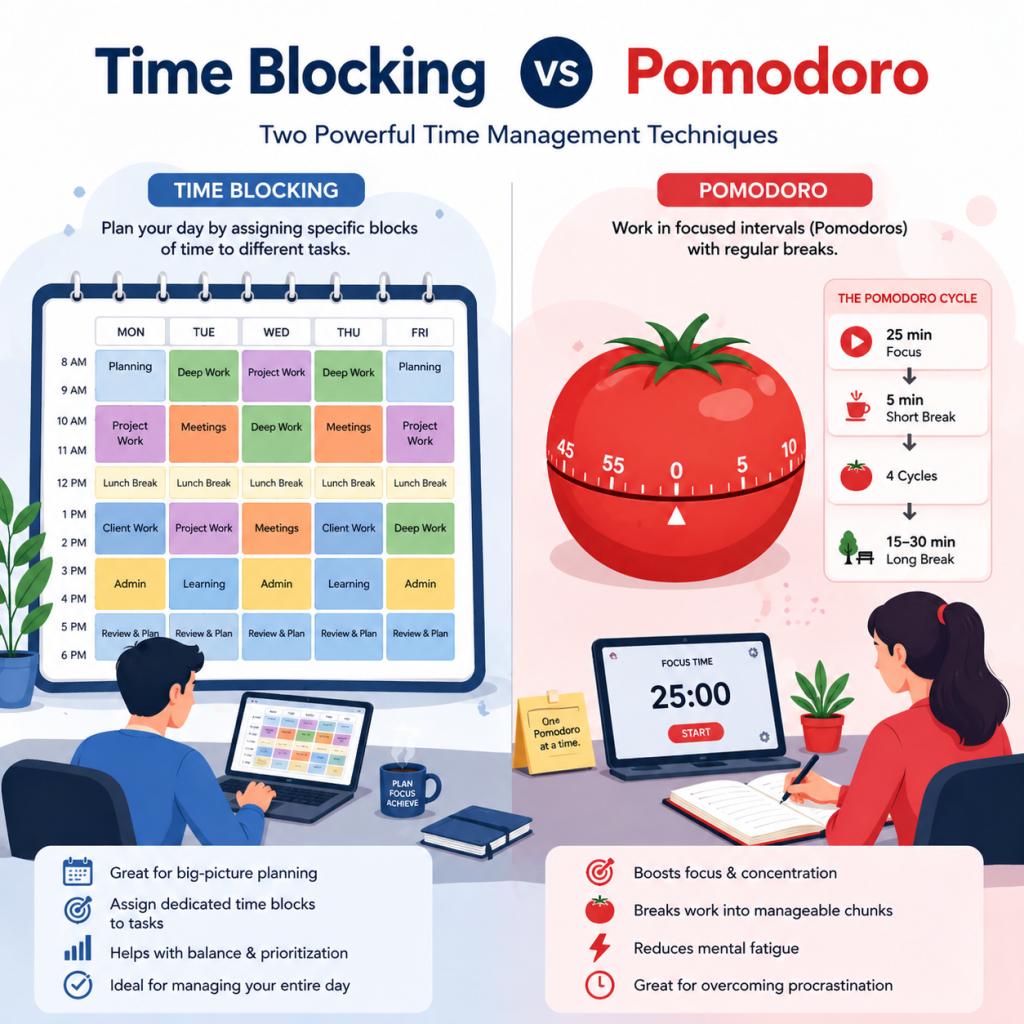
Block out 90 to 120 minutes a day on every calendar where no meetings, no chat, and no email are allowed. Treat it like a non-negotiable customer meeting. Two protected focus blocks per day will out-produce eight fragmented hours.
-
3
Step 3: Set Clear Communication Norms
Decide as a team which channels are for "right now" and which are for "by end of day." A response-time SLA of "within 4 hours" for chat is plenty for almost any team. This single change kills the always-on culture without anyone losing information.
-
4
Step 4: Consolidate Your Tools
List every app your team logs into in a typical week. If two tools do roughly the same thing, drop one. If three tools do not talk to each other, pick a single source of truth. Fewer tools means fewer context switches.
-
5
Step 5: Train and Reward Deep Work
Make focused work visible. Celebrate the engineer who shipped a clean PR after two hours of silence, not the one who replied to chats fastest. Culture follows what gets praised, and right now most workplaces praise responsiveness over results.
How Clockdiary Helps You Tackle Work Fragmentation
You can preach focus all you want, but unless you can see what is actually happening during the workday, you are guessing. That is exactly the gap Clockdiary closes. The platform gives you simple, honest visibility into time, tasks, and tools, which is the foundation for fixing fragmented work at scale.
Activity Tracker for Real Visibility
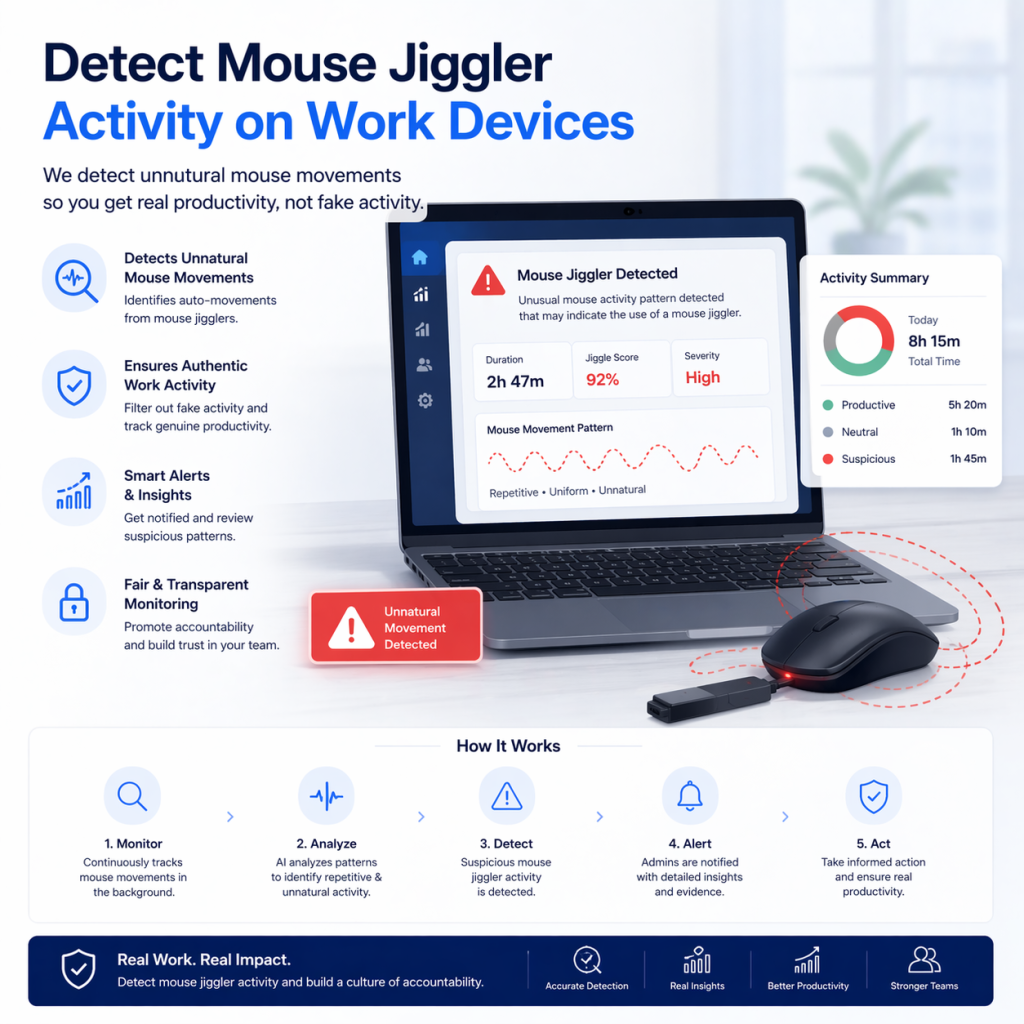
Clockdiary's Activity Tracker quietly captures how time is spent across apps and websites during work hours, without micromanaging anyone. Instead of guessing whether your team is fragmented, you see it: how many apps got opened, how often people switched contexts, and which times of day are most chaotic.
Once you can see the pattern, you can act on it. Maybe Tuesdays and Thursdays are switch-heavy and need protected focus blocks. Maybe one tool is opened 80 times a day and should be replaced. The Activity Tracker turns vague feelings about busyness into clear data you and your team can use, while still respecting privacy boundaries.
Time Tracking for Deep Work Sessions
Clockdiary's time tracker lets your team log focused sessions in one click. When you start a deep work block, you start the timer. When you finish, you stop it. Over a week or two, you build a real record of how much focused work each person and each project actually got, instead of relying on memory.
This matters because fragmentation hides best in vague self-reporting. Once focus is tracked the way meetings or billable hours are, it becomes easy to defend on a calendar and easy to optimize at the team level.
Project and Task Tracking for Cleaner Priorities
Vague priorities are one of the biggest causes of fragmentation. Clockdiary lets you connect time and activity data directly to projects and tasks, so a team member opening their day sees one clear thing to do next, not a fuzzy list. The clearer the task, the harder it is to fragment.
Combine that with reports that show where time actually went last week, and managers can have honest, data-led conversations about workload, focus, and bottlenecks, instead of relying on gut feel.
Final Thoughts
Work fragmentation is one of those problems that hides in plain sight. Everyone feels it, very few people name it, and almost no one solves it on purpose. The first move is always the same: get honest data on where your day is going. Once you can see the fragmentation, every other fix gets easier.
You do not need to overhaul your culture to start. Pick one cause from the list above, fix it for two weeks, and measure the difference. Protect a single 90-minute focus block on every calendar. Set a 4-hour response window for chat. Cut one redundant tool. Small structural changes add up faster than you think.
And if you want to skip the guesswork, Clockdiary gives you the visibility to find your team's biggest fragmentation patterns in days, not months, then build a quieter, more focused workday on top of real data.
Frequently Asked Questions
Q: What is work fragmentation in simple terms?
Work fragmentation is the pattern of doing your job in lots of short, broken-up bursts instead of long focused stretches. It happens when interruptions, app switching, and meetings chop your day into pieces too small for meaningful progress on any one task.
Q: What causes work fragmentation?
The biggest causes are always-on chat tools, constant app and tab switching, meeting overload, open or hybrid office layouts, self-interruptions, vague task definitions, and disconnected software systems. Most workplaces have several of these at once, which is why fragmentation feels normal.
Q: How is work fragmentation different from multitasking?
Multitasking is trying to do two things at the same time. Work fragmentation is when your day gets sliced into so many small pieces that you cannot finish anything before switching. Most "multitasking" is actually rapid task switching, which is the same brain pattern that drives fragmentation.
Q: How much productivity does fragmented work cost?
Research from UC Irvine shows it takes about 23 minutes to fully refocus after a single interruption. With workers facing roughly 275 interruptions a day, fragmentation can wipe out 2 to 3 hours of productive time per person, per day, on top of the time spent in the interruption itself.
Q: Is work fragmentation worse in remote or in-office work?
Both have their own version of the problem. Office workers face more in-person interruptions but stay on tasks slightly longer between switches. Remote workers face fewer drop-bys but more digital interruptions through chat, email, and meetings. The total fragmentation is roughly comparable; the source is just different.
Q: How do I reduce work fragmentation in my team?
Start by tracking how time is actually spent for one to two weeks. Then introduce protected focus blocks, set realistic chat response times, cut redundant tools, define tasks more clearly, and reward focused output instead of fast replies. Small structural changes outperform willpower every time.
Q: Can time tracking software help with work fragmentation?
Yes. Time tracking and activity tracking show you where focus is breaking down, which apps eat the most time, and how often people are switching contexts. Without that data, fragmentation stays invisible. Tools like Clockdiary give you the visibility needed to redesign workflows and protect deep work.
Q: Is some level of work fragmentation unavoidable?
Yes. No team can run fully without interruptions, and short context switches are part of any collaborative job. The goal is not zero fragmentation. The goal is to protect at least one or two long focus blocks a day for each person, and to keep the rest of the day from sliding into pure reactivity.