
Factors of Productivity: 10 Key Drivers That Shape Workplace Output
 Kapil Garg |
Updated: March 30, 2026
Kapil Garg |
Updated: March 30, 2026
- What Are Factors of Productivity?
- 1. Work Environment
- 2. Employee Engagement
- 3. Leadership and Management
- 4. Communication and Collaboration
- 5. Technology and Tools
- 6. Health, Wellness, and Work-Life Balance
- 7. Training and Development
- 8. Motivation and Recognition
- 9. Goal Setting and Time Management
- 10. Workload Distribution and Task Management
- How clockdiary Helps You Control the Factors of Productivity
- Frequently Asked Questions
- Conclusion
- What Are Factors of Productivity?
- 1. Work Environment
- 2. Employee Engagement
- 3. Leadership and Management
- 4. Communication and Collaboration
- 5. Technology and Tools
- 6. Health, Wellness, and Work-Life Balance
- 7. Training and Development
- 8. Motivation and Recognition
- 9. Goal Setting and Time Management
- 10. Workload Distribution and Task Management
- How clockdiary Helps You Control the Factors of Productivity
- Frequently Asked Questions
- Conclusion
The factors of productivity aren't mysterious. They're the specific, measurable conditions that determine whether your team does their best work or just goes through the motions. From how an office is lit to how clearly a manager sets expectations, every element plays a role in how much useful output gets done in a day.
Most businesses know productivity matters. Fewer know which levers to actually pull. This guide breaks down the 10 most important factors affecting employee productivity, what each one costs you when it's ignored, and what you can do to improve it right now.
Key Takeaways
- The factors of productivity span people, processes, culture, and tools: no single fix covers all of them.
- Employee engagement is one of the highest-impact factors: disengaged workers cost businesses around 18% of their salary in lost output.
- A poor physical or remote work environment can reduce focus by up to 40%, making workspace design a high-ROI investment.
- Time tracking gives managers real data on where hours go, making it a practical tool for improving multiple productivity factors at once.
- Companies that address all 10 factors systematically see benefits in retention, performance, profitability, and customer satisfaction.
What Are Factors of Productivity?
Productivity, in the workplace context, is how effectively employees convert their time and effort into results that matter. The factors of productivity are the conditions and inputs that shape that conversion, either helping it or getting in the way.
Think of it this way: two employees with identical skills working identical hours can produce very different results depending on their environment, tools, manager, and motivation. The difference isn't talent. It's the factors.
Why These Factors Matter for Every Business
Productivity affects every metric a business cares about: revenue per employee, customer satisfaction, retention, and profit margin. According to Gallup research, disengaged employees cost the global economy around $8.8 trillion in lost productivity each year. That's not just a headline figure. It's a signal that the factors driving output are largely being left unmanaged.
When you actively manage the factors influencing productivity, you're not just squeezing more from your team. You're making work better for everyone in it.
Internal vs. External Productivity Factors
It helps to split productivity factors into two groups. Internal factors are things you control directly: leadership, culture, tools, workload design, training. External factors are things you respond to: market conditions, economic shifts, industry regulations. This guide focuses on the internal factors, because those are where you can act.
1. Work Environment
The physical and psychological conditions in which people work have an outsized effect on how well they perform. This covers everything from desk ergonomics and office temperature to whether your culture makes people feel safe enough to speak up.
Physical Workspace and Ergonomics
Lighting, temperature, noise levels, desk setup, and air quality all affect how well people can concentrate and sustain effort. Poor ergonomics leads to physical discomfort that compounds over time. Excessive noise is one of the most commonly cited productivity killers in open-plan offices.
Simple fixes have measurable returns: adjustable lighting, quiet zones for focused work, standing desk options, and regular temperature controls. These aren't perks. They're performance infrastructure.
Remote Work and Hybrid Setups
Remote work has introduced new variables into the work environment equation. Many employees report higher productivity at home due to fewer interruptions and no commute time. But remote setups also create isolation, communication gaps, and blurred work-life boundaries if not actively managed.
The smartest approach is to give employees clarity on expectations and the tools they need to track hours across locations consistently. Flexibility boosts productivity when it's structured, not when it's left to chance.
Quick win: Survey your team on their biggest environmental distractions. You'll often find low-cost fixes like noise-cancelling headphones, room booking systems, or no-meeting mornings that can meaningfully improve daily output.
2. Employee Engagement
Engagement is the degree to which employees are emotionally invested in their work and the organization they're part of. It's one of the most powerful factors influencing productivity, and one of the most widely mismanaged.
The Engagement-Output Connection
Engaged employees don't just complete their tasks. They take initiative, help colleagues, flag problems early, and bring discretionary effort to their work. That extra layer of commitment is the difference between a team that meets targets and one that consistently exceeds them.
Engaged teams show 18% higher productivity and 23% greater profitability, according to Gallup data. The causal link is clear: people who care produce more.
Signs of a Disengaged Team
You won't always see disengagement until it shows up in the numbers. Watch for rising absenteeism, declining output quality, reduced participation in meetings, missed deadlines, and high voluntary turnover. These are downstream signals that engagement has been eroding upstream.
3. Leadership and Management
Leadership is one of the most direct factors affecting employee productivity. Employees don't quit companies. They quit managers. The way a leader communicates, sets expectations, handles conflict, and supports their team shapes the daily experience of every person under them.
How Great Managers Boost Productivity
Effective managers do a few things consistently well. They set clear, measurable goals. They give regular, actionable feedback, not just during annual reviews. They protect their teams from unnecessary interruptions and create the conditions for deep work. And they celebrate progress, not just results.
Employees who trust their managers are 14 times more likely to be engaged at work. That trust is built through consistency, transparency, and follow-through: all choices a manager makes every day.
Leadership Mistakes That Kill Output
Micromanagement, unclear priorities, inconsistent feedback, and a culture of blame are the biggest leadership-driven drains on team productivity. Micromanagement specifically is worth calling out because it undermines autonomy, which is one of the most reliable intrinsic motivators there is. When employees feel constantly watched and second-guessed, they stop taking ownership of their work.
4. Communication and Collaboration
Clear communication is the connective tissue of a productive team. Without it, people work on the wrong things, duplicate effort, misunderstand priorities, and lose trust in each other. Poor communication doesn't just slow things down. It actively creates friction that compounds over time.
Companies with strong communication practices are 50% more likely to have lower employee turnover. That retention benefit alone makes communication infrastructure worth investing in.
Clear Expectations and Regular Feedback
Every employee should be able to answer three questions at any given time: What am I supposed to be doing? How am I doing at it? Why does it matter? When those answers are unclear, productivity suffers because people spend mental energy trying to fill in the gaps themselves.
Regular check-ins, written goal documentation, and real-time feedback loops solve this. The cadence matters less than the consistency. Weekly or bi-weekly touchpoints, even brief ones, keep people calibrated and reduce the anxiety that comes from operating in the dark.
Tools That Make Communication Easier
The right communication stack reduces friction without creating new noise. This means separating synchronous communication (meetings, video calls) from asynchronous communication (project management tools, documented updates). Over-relying on real-time messaging creates constant interruption. Under-relying on it creates silos.
A simple rule: use async for updates and documentation, sync for decisions and relationship-building. Then enforce that split consistently so people know when to expect a response and when to expect quiet time for focused work.
5. Technology and Tools
Technology is a force multiplier. The right tools reduce repetitive work, improve communication, and give managers visibility into what's actually happening across a team. But the wrong tools, or too many tools, create friction, frustration, and their own kind of productivity drain.
Employees waste an average of 22 minutes per day dealing with IT issues and tool-related problems. That's nearly two hours a week per person lost before any actual work begins.
Choosing the Right Tech Stack
The goal is to give your team the minimum number of well-integrated tools needed to do their work well. That usually includes a communication platform, a project management or task tracking tool, a time tracking solution, and storage or documentation software.
Before adding any new tool, ask two questions: Does this solve a real problem the team currently has? Does the team have time and support to adopt it properly? Technology only improves productivity when it's actually used, and used correctly.
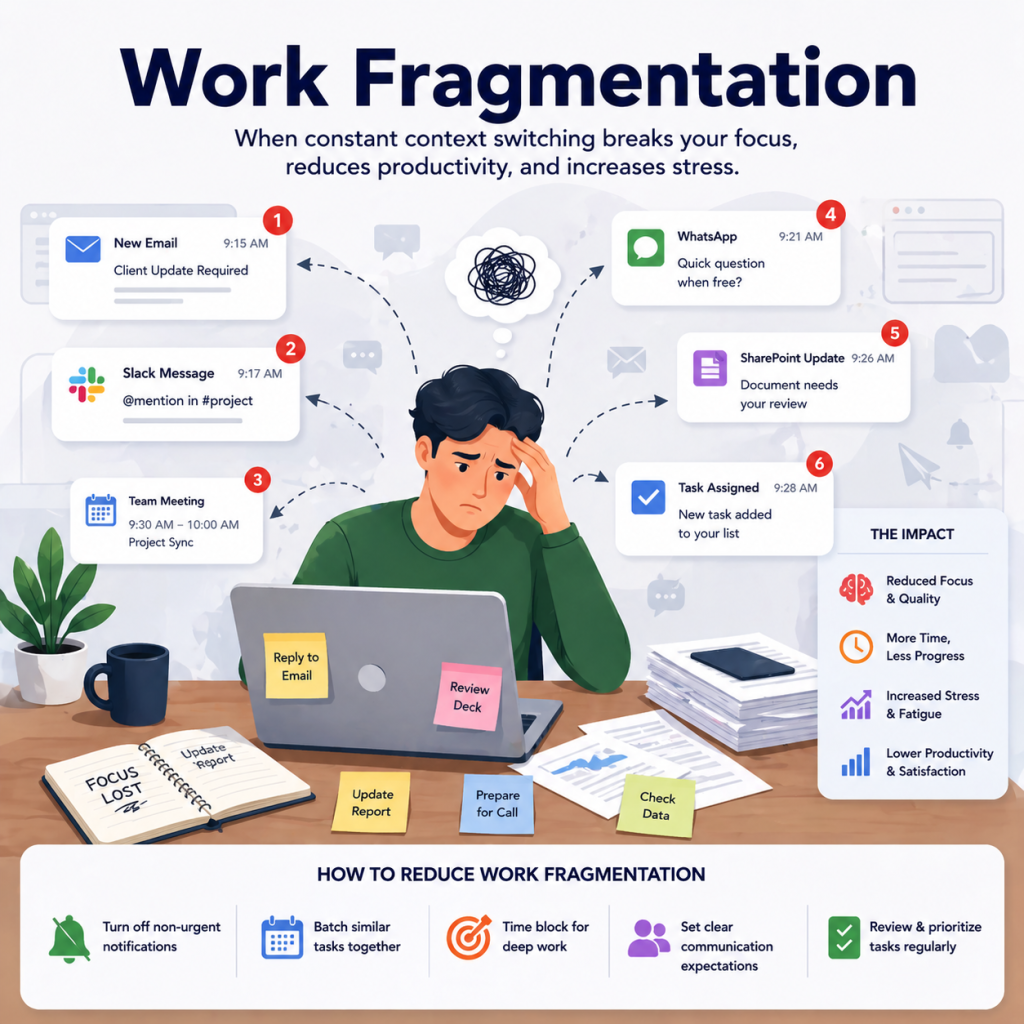
Watch out for tool sprawl. When teams use too many disconnected apps, switching costs compound into significant time losses. Audit your tools annually and cut anything that isn't actively improving output or communication.
6. Health, Wellness, and Work-Life Balance
Employee health is a direct input into productivity. Physically and mentally well employees show up focused, make better decisions, and sustain effort over time. The inverse is equally true: unhealthy employees are less productive, more absent, and more likely to leave.
The True Cost of Burnout
Work-related stress is estimated to cause the loss of 550 million workdays globally every year. Burnout doesn't just reduce output in the short term. It destroys the motivation, creativity, and relationship capital that high-performing teams are built on. And it takes months, sometimes longer, to recover from.
Burnout often develops slowly from sustained overwork, unclear role expectations, lack of recognition, and poor work-life balance. By the time it's visible, it's usually been building for a long time.
Wellness Initiatives That Actually Work
Effective wellness programs aren't just gym subsidies and fruit bowls. They address the root causes: workload, autonomy, recognition, and psychological safety. Companies that invest properly in wellness see an average 25% decrease in sick leave, which has direct productivity implications.
Practical wins include protecting non-meeting blocks in the workday, setting clear off-hours communication expectations, encouraging actual use of paid time off, and training managers to identify early signs of stress in their teams.
7. Training and Development
Employees who don't have the skills or knowledge to do their jobs well can't be productive, no matter how motivated they are. Training bridges that gap. Development goes further: it builds the capabilities people need for future challenges and signals that the organization is invested in their growth.
Companies that offer comprehensive training programs generate 218% higher income per employee than those that don't. That's a wide gap driven by a simple principle: better-skilled employees produce better work, faster.
Upskilling as a Retention and Productivity Strategy
Learning opportunities are one of the strongest predictors of whether an employee stays or leaves. Gallup research confirms that employees who get to use and develop their strengths are far less likely to leave. When people grow, they stay. And when they stay, you retain the institutional knowledge and team cohesion that sustains output over time.
That makes investment in employee retention strategies through development one of the highest-return moves a manager can make.
Building a Culture of Continuous Learning
Formal training programs matter, but culture matters more. A team that treats curiosity, experimentation, and skill-sharing as normal improves continuously without needing to schedule it. This means making space for people to reflect on what's working, share what they've learned, and ask for help without embarrassment.
Micro-learning works. Not every development initiative needs to be a week-long course. Short, focused learning moments embedded into weekly workflows: a shared article, a 15-minute skills session, a post-project debrief, can compound into significant capability growth over a year.
8. Motivation and Recognition
Motivation is the engine behind sustained effort. A highly capable employee who lacks motivation will underperform relative to someone less skilled but deeply engaged. Understanding what drives your team, and making sure those drivers are being met, is a core part of managing the factors that affect productivity.
Intrinsic vs. Extrinsic Motivation
Extrinsic motivation comes from external rewards: bonuses, promotions, public recognition. Intrinsic motivation comes from within: a sense of purpose, mastery, autonomy, and belonging. Both matter, and the most effective workplaces address both.
Salary and benefits set a baseline. But once those are adequate, intrinsic factors become the primary driver of discretionary effort. Employees need to feel their work matters, that they're growing, and that they have meaningful control over how they do it. Tools like the Eisenhower Matrix can help individuals prioritize what matters most and regain a sense of control over their workday.
Recognition Programs That Work
Recognition is one of the simplest and most underused productivity levers available. Companies with recognition programs have 31% lower voluntary turnover, and the effect on daily motivation is immediate. People want to know that their effort is seen.
Effective recognition is specific, timely, and tied to real contributions. Generic praise in a company newsletter has far less impact than a manager noticing a specific piece of work and acknowledging why it mattered. Make it personal and make it regular.
9. Goal Setting and Time Management
Even the most motivated, well-supported employee can lose productive time without clear goals and effective time management. These two factors are inseparable: goals tell people what to work toward, while time management determines how effectively they use the hours available to get there.
Setting SMART Goals Across Your Team
Vague goals produce vague results. When employees don't have specific, measurable targets, they default to activity over output: staying busy rather than making progress on what matters. SMART goals (Specific, Measurable, Achievable, Relevant, Time-bound) give people a clear target and a way to know when they've hit it.
-
1
Set Specific Goals
Replace "improve customer satisfaction" with "increase CSAT scores by 10 points over Q3." Specific goals remove ambiguity and make it easier to plan the work required.
-
2
Make Progress Measurable
Attach numbers wherever possible. If the goal can't be measured, you won't know whether it's been achieved or what contributed to the outcome.
-
3
Review Goals Regularly
Goals set in January and reviewed in December aren't driving daily decisions. Build in monthly or quarterly reviews so goals stay relevant and people stay on track.
-
4
Align Individual Goals to Team Objectives
Employees are more motivated when they can see how their work connects to broader team or company outcomes. Make that connection explicit and revisit it often.
How Time Tracking Supports Goal Achievement
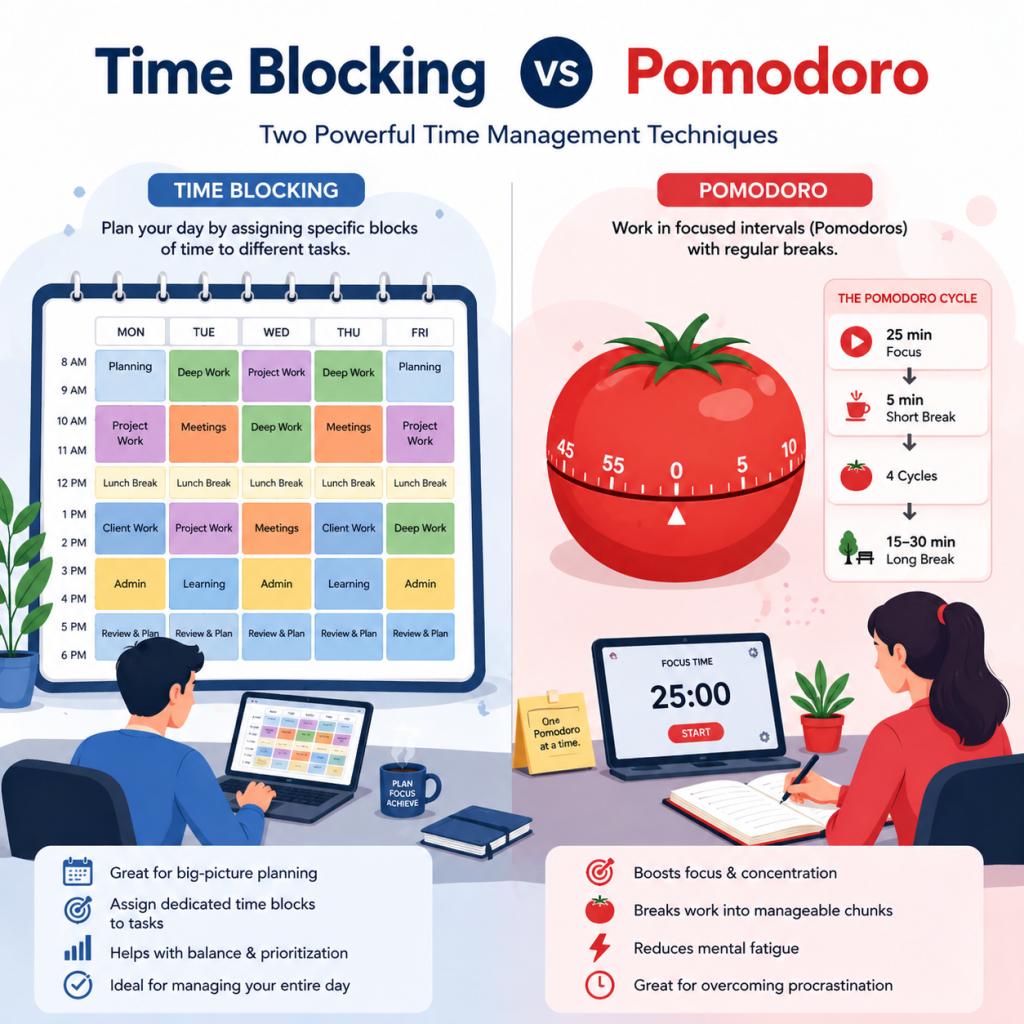
Time management is much easier when people can see where their time is actually going. Most employees significantly overestimate the time they spend on high-priority work and underestimate time lost to low-value tasks, meetings, and interruptions.
Time tracking creates an objective record that makes this visible. When teams can see the gap between how they think they spend their time and how they actually do, they can make adjustments grounded in reality rather than guesswork. That's one of the most practical benefits of time tracking that managers often overlook.
10. Workload Distribution and Task Management
An unbalanced workload is one of the quietest productivity killers in a team. When some employees are constantly overwhelmed and others are underutilized, both groups suffer. Burnout rises in the former; disengagement grows in the latter. The team's collective output is lower than it should be, and resentment builds underneath.
Spotting and Fixing an Unbalanced Workload
Workload imbalances often develop gradually and go unnoticed until they become visible through missed deadlines or resignation letters. Proactive managers watch for warning signs: consistently late deliverables from specific individuals, employees frequently working late or on weekends, declining quality from people who are usually reliable.
Once spotted, the fix usually involves a combination of redistributing tasks, removing low-value work from high performers, and having honest conversations about capacity. Good task management software can make workload visible across a team so managers can intervene before problems escalate.
Using Data to Allocate Work Fairly
The best workload decisions are made with data, not intuition. Time logs, project completion rates, and capacity utilization reports give managers an objective view of who is working on what and how much bandwidth each person actually has. This replaces the guesswork that often leads to the same capable employees getting everything thrown at them.
Fairness in workload distribution also has a direct impact on morale and retention. Employees who feel they're getting an equitable share of the work, and that extra contributions are noticed, are far more likely to stay engaged over the long term.
How clockdiary Helps You Control the Factors of Productivity
Managing the factors of productivity is a lot more straightforward when you have accurate, real-time data to work with. clockdiary is built to give managers and teams exactly that: a clear picture of where time goes, who's doing what, and how the numbers compare to your goals.
Time Tracking That Shows Where Hours Actually Go
clockdiary's time tracking gives employees a simple way to log hours against projects, clients, and tasks. Over time, that data surfaces patterns that aren't obvious from the surface: which project types consume the most time, where estimated hours consistently differ from actual hours, and which parts of the workday are genuinely productive.
For managers, this data takes the guesswork out of capacity planning and workload distribution. You can see exactly how your team's time is being spent, compare it to deliverables, and use that to make better decisions. If you want to calculate employee productivity accurately, time tracking is the foundation you need.
Employee Monitoring and Attendance Management
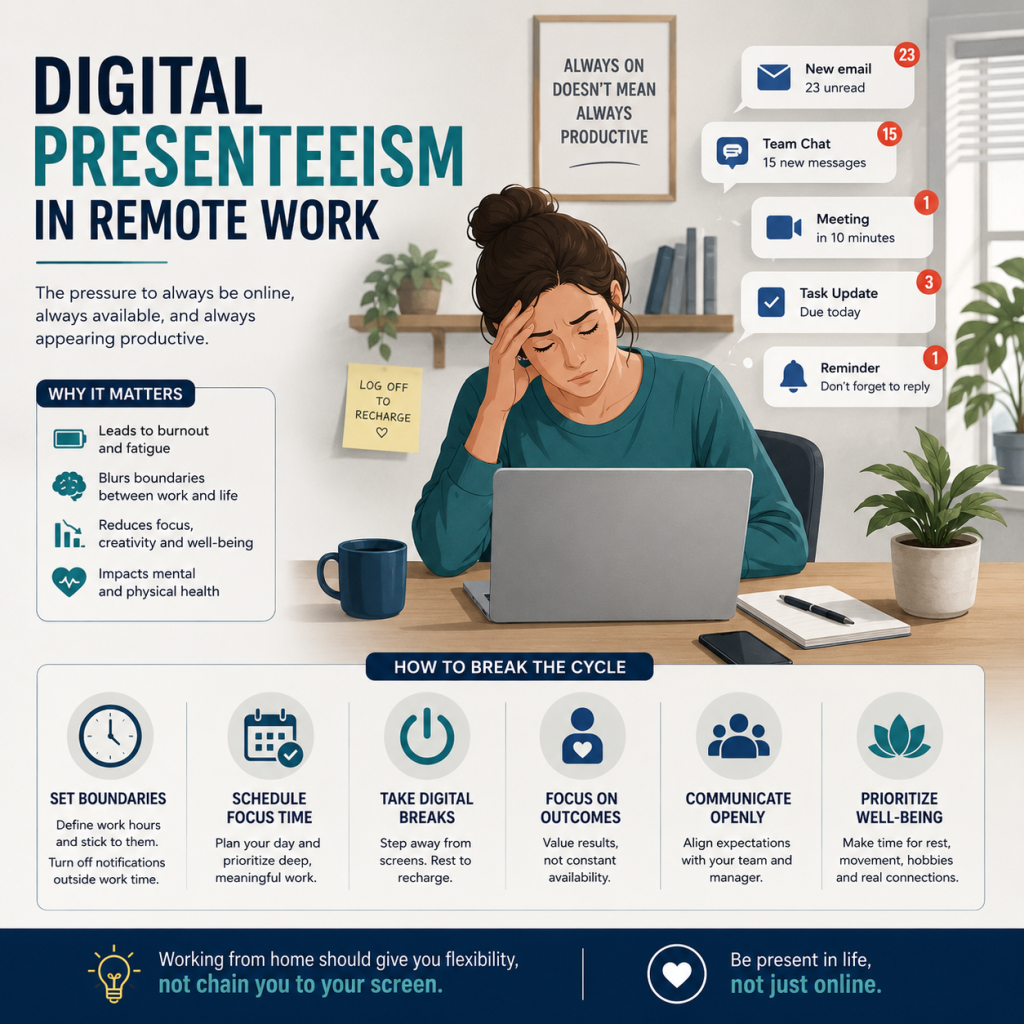
Absenteeism is a direct hit to productivity, but so is presenteeism: employees who show up but aren't functioning well. clockdiary's attendance tracker gives HR and managers real-time visibility into attendance patterns across teams and locations, including remote and hybrid setups.
That visibility helps you spot trends before they become problems: a team member with increasing late arrivals might be dealing with something worth a conversation. A department with rising absence rates might be showing early signs of burnout. Data gives you the ability to respond with support, not just consequence.
Workforce Analytics That Drive Smarter Decisions
Individual time logs are useful. Aggregated across a team, they become strategic. clockdiary's reporting tools help managers see utilization rates, project cost trends, and team-level output patterns that individual check-ins will never surface.
With that data, you can make defensible decisions about hiring, workload balancing, project prioritization, and where to invest in process improvement. Productivity becomes something you manage with evidence, not something you hope will happen.
Frequently Asked Questions
Q: What are the main factors of productivity?
The main factors of productivity include work environment, employee engagement, leadership, communication, technology, health and wellness, training and development, motivation and recognition, goal setting and time management, and workload distribution. Each factor can both support or undermine output depending on how well it's managed.
Q: What are the 4 factors of productivity?
In economics, the four classic factors of productivity are land, labor, capital, and entrepreneurship (or technology). In a workplace context, these map roughly to physical environment, people and their skills, tools and equipment, and management quality. Most practical productivity frameworks build on these with additional factors like culture and communication.
Q: What is the biggest factor affecting productivity?
Employee engagement consistently ranks as the highest-impact factor in workplace productivity research. Engaged employees produce more, stay longer, and bring discretionary effort to their work that disengaged employees simply don't. According to Gallup, disengaged employees can cost a company 18% of their annual salary in lost productivity.
Q: How does the work environment affect productivity?
The physical work environment directly affects focus, comfort, and collaboration. Poor lighting, excessive noise, uncomfortable temperatures, and poorly designed workspaces all reduce an employee's ability to concentrate and perform. Research shows that distractions in the work environment can cut productivity by up to 40%, and it takes an average of 23 minutes to fully recover focus after an interruption.
Q: What factors decrease productivity at work?
The most common factors that decrease productivity include workplace distractions, poor leadership and unclear expectations, low employee engagement, burnout and overwork, inadequate tools or training, excessive or poorly structured meetings, and imbalanced workloads. Many of these are addressable with the right management practices and tools in place.
Q: How can managers improve employee productivity?
Managers improve productivity by setting clear and measurable goals, providing regular feedback, protecting their team's time from unnecessary interruptions, recognizing contributions consistently, investing in training, and using data (like time tracking reports) to make informed decisions about workload and priorities. Leadership behavior is one of the highest-leverage productivity inputs available.
Q: How does time management affect productivity?
Time management affects productivity by determining how well employees allocate their available hours to work that actually advances their goals. Without it, time gets lost to low-value tasks, inefficient meetings, multitasking, and distraction. Employees who use structured time management approaches can significantly increase their effective output without working longer hours.
Q: Can tools and technology improve workplace productivity?
Yes, when chosen and implemented thoughtfully. The right tools reduce manual work, improve communication, provide managers with data, and help employees focus on high-value tasks. Research suggests digital time management tools can make employees up to 47% more efficient. The key is selecting tools that solve real problems and ensuring teams are properly trained to use them.
Conclusion: Start Managing What Matters
The factors of productivity aren't beyond your control. They're variables, and variables can be managed. When you understand what drives output in your team and make deliberate choices about environment, leadership, tools, time, and culture, you stop hoping for productivity and start building the conditions where it naturally happens.
Start with one or two factors where the gap between where you are and where you want to be is most obvious. Measure your current state. Make targeted changes. Track what shifts. That's how sustainable productivity improvement actually works: not through a single program, but through consistent, data-informed decisions made over time.
clockdiary can be the data layer that makes those decisions easier. From time tracking to attendance to workforce analytics, it gives you the visibility you need to manage every factor with confidence. Start your free trial today and see what your team's time is really telling you.