Have you ever done well at work but still felt like you did not really deserve it? Maybe you worried that one day people would find out you are not as good as they think. If this sounds familiar, you are not alone. This feeling is called impostor syndrome, and it is very common at work.
Studies show that nearly 7 out of 10 people experience impostor syndrome at some point in their career. It affects beginners, experienced professionals, managers, and even high achievers. It often appears in fast paced workplaces where expectations are high and feedback is low.
Many people try to deal with these feelings by working longer hours. They believe that staying busy will prove their value. But this usually leads to stress, poor work life balance, and burnout. In fact, many productivity issues come from this mindset, which we also discuss in our guide on increasing productivity in the workplace.
In this blog, you will learn what impostor syndrome really means, why it happens at work, and how it affects your confidence and performance. More importantly, you will learn simple and practical ways to overcome it without overworking or doubting yourself.
If you often feel like you are not doing enough, even when results say otherwise, this guide is for you.
What Is Impostor Syndrome?
Impostor syndrome is a feeling where a person doubts their own skills and success, even when there is clear proof that they are doing well. Someone may finish tasks on time, achieve goals, or receive positive feedback, yet still feel they do not truly deserve their role or results.
At work, this feeling often remains hidden. A person may focus more on their mistakes than their achievements. They may feel pressure to prove themselves again and again, even after consistent performance. Over time, this self doubt can affect confidence, decision making, and overall productivity.
The term impostor syndrome was first introduced in 1978 by psychologists Pauline Clance and Suzanne Imes. Their research showed that many high performing individuals believed their success came from luck or timing rather than ability.
People with impostor syndrome often think:
I am not as capable as others believe
I will be exposed sooner or later
My success happened because of luck, not skill
This experience is not linked to low ability. In fact, studies suggest that high achievers experience impostor syndrome more often than others because they set very high standards for themselves. When responsibilities increase faster than confidence, self doubt grows.
In many workplaces, success is judged by visibility instead of outcomes. When effort is not clearly seen or recognized, people may begin to question their value. This challenge is closely connected to unhealthy time habits and poor clarity around work, which is often discussed in topics like time management strategies.
Is Impostor Syndrome Real?
Yes, impostor syndrome is real, and it is widely recognized by psychologists and workplace experts. While it is not classified as a mental illness, it is a real experience that affects how people think, feel, and perform at work.
Research shows that around 70 percent of professionals experience impostor syndrome at some point in their career. These feelings often appear during career changes, promotions, new responsibilities, or when starting a new job. Remote work has also increased these experiences, as many employees receive less feedback and reassurance.
Impostor syndrome is not a personal weakness. It is usually a response to pressure, unclear expectations, or lack of recognition. When people do not have clear signals that their work is valued, self doubt grows.
The good news is that impostor syndrome can be managed. With better awareness, healthier work habits, and clearer ways to understand effort and results, people can reduce self doubt and build confidence over time.
Who Experiences Impostor Syndrome?
Impostor syndrome does not affect only one type of person. It can happen to anyone, no matter their role, experience level, or industry. In fact, many people who appear confident on the outside struggle with self doubt internally.
Studies show that more than 60 percent of professionals experience impostor syndrome regularly, especially during periods of change. New roles, growing responsibilities, and unclear expectations often trigger these feelings. Below are some common groups where impostor syndrome appears more often at work.
Impostor Syndrome in Professionals
Working professionals often face constant pressure to perform, improve, and deliver results. When success becomes routine, many people stop recognizing their own progress. Instead, they raise their standards and feel they are still not doing enough.
This is common in performance driven workplaces where productivity is measured by speed or output. Without clear feedback, professionals may start questioning their value. This challenge is closely linked to broader issues discussed in business metrics, where effort is not always matched with recognition.
Impostor Syndrome in Remote Workers and Freelancers
Remote workers and freelancers experience impostor syndrome more often than they realize. When working from home or independently, there is less visibility into daily effort. People may feel invisible unless they are constantly online or available.
A survey found that remote employees are 30 percent more likely to doubt their performance compared to office based teams. Limited feedback and delayed responses can increase self doubt. This is why managing visibility and communication is important in remote setups, as explained in guides like monitoring remote employees productivity.
Impostor Syndrome in Students and Early Career Employees
Students and early career professionals often experience impostor syndrome when entering competitive environments. They may compare themselves with more experienced peers and feel they are falling behind.
Around 75 percent of early career employees report feeling unsure about their abilities during their first two years of work. Without clear guidance or reassurance, they may believe mistakes define their worth. Learning healthy work habits early can reduce this pressure and build confidence over time.
Impostor Syndrome in Managers and Leaders
Even managers and leaders are not immune to impostor syndrome. In fact, leadership roles often increase self doubt. Managers are expected to make decisions, guide teams, and deliver results, sometimes with limited support.
Many leaders worry they are not doing enough for their teams or fear being judged for every decision. This can lead to overworking and difficulty delegating. Building trust and clarity within teams plays a key role here, which is why topics like how to build a high performing team are closely connected to reducing impostor syndrome at leadership levels.
Common Impostor Syndrome Symptoms
Impostor syndrome does not always show up in obvious ways. Many people continue working, meeting deadlines, and delivering results while quietly struggling with self doubt. These feelings often appear through daily habits, thoughts, and work patterns.
Below are some of the most common symptoms of impostor syndrome at work. You may notice one or many of these signs in yourself or others.
1. Persistent Self Doubt Despite Achievements
One of the clearest signs of impostor syndrome is doubting yourself even after success. You may finish a project well, receive praise, or hit important goals, yet still feel you did not do enough.
People with this symptom often:
Downplay their achievements
Focus only on what went wrong
Believe others are more skilled than them
Studies suggest that over 65 percent of professionals who receive positive feedback still question their abilities. This constant doubt can slowly lower confidence and reduce motivation over time.
2. Fear of Being Exposed as a Fraud
Another common symptom is the fear that others will discover you are not as capable as they think. This fear can exist even when there is no real evidence to support it.
People may:
Avoid speaking up in meetings
Overprepare for simple tasks
Feel anxious about evaluations or reviews
This fear often leads to stress and mental exhaustion. It can also stop people from taking healthy risks or trying new responsibilities at work.
3. Overworking to Prove Worth
Many people with impostor syndrome try to prove their value by working longer hours. They believe that staying busy will protect them from being judged.
This often looks like:
Working late regularly
Saying yes to too many tasks
Feeling guilty when resting
Research shows that employees who consistently overwork are twice as likely to experience burnout. Over time, this pattern affects work life balance and overall wellbeing. This issue is closely related to challenges discussed in how to improve work life balance.
4. Difficulty Accepting Praise
People with impostor syndrome often struggle to accept compliments or recognition. When praised, they may feel uncomfortable or believe the feedback is not accurate.
Common reactions include:
Saying it was just luck
Giving credit only to others
Feeling pressure to do even more next time
This makes it harder to build confidence. Without accepting recognition, people miss important signals that their work matters.
5. Performance Related Anxiety
Impostor syndrome can also create constant anxiety around performance. People may worry about small mistakes or feel stressed before tasks they are capable of handling.
This anxiety can cause:
Trouble focusing
Poor decision making
Reduced creativity
When stress stays high for long periods, productivity drops. In fact, workplace studies show that high anxiety can reduce productivity by up to 20 percent. Tracking effort and results in a healthy way can sometimes help reduce this pressure, especially when productivity feels unclear.
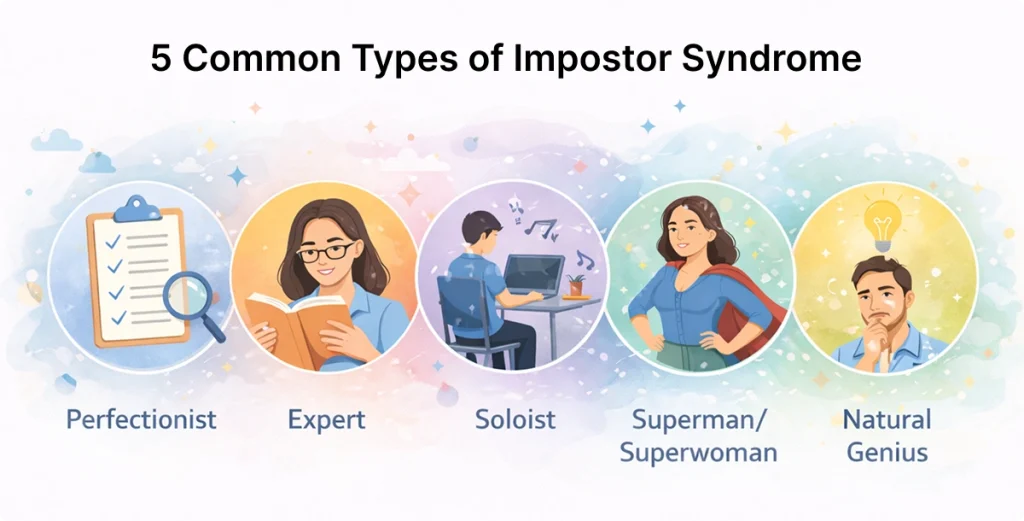
5 Common Types of Impostor Syndrome
Impostor syndrome does not look the same for everyone. People experience it in different ways based on their personality, work style, and expectations. Understanding the type you relate to can make it easier to recognize unhealthy patterns and change them.
Below are the five most common types of impostor syndrome seen in the workplace.
1. The Perfectionist
Perfectionists set extremely high standards for themselves. Even small mistakes feel like failures. If the result is not perfect, they believe they did not do a good job.
Common signs include:
Feeling disappointed even after good results
Spending too much time on small details
Believing anything less than perfect is not enough
Studies show that perfectionists are more likely to experience stress and burnout because their expectations are often unrealistic. Over time, this mindset can slow progress and reduce confidence.
2. The Expert
The expert feels they must know everything before they can speak up or take action. If they do not have all the answers, they believe they are not qualified.
This often looks like:
Avoiding opportunities due to self doubt
Constantly learning but never feeling ready
Comparing knowledge with others
Experts often underestimate their skills. They forget that learning is part of growth, not a requirement for worth.
3. The Natural Genius
This type believes success should come easily. When something feels hard, they assume they are not good at it.
Signs include:
Feeling ashamed when learning takes time
Avoiding challenges that require effort
Losing confidence after small setbacks
In reality, most skills improve with practice. Struggle does not mean failure. It means learning.
4. The Soloist
Soloists believe they must do everything on their own. Asking for help feels like weakness.
Common behaviors:
Refusing support even when needed
Feeling stressed managing everything alone
Believing independence equals competence
This mindset often leads to overwork and exhaustion. Healthy collaboration actually improves results and confidence.
5. The Superhuman
Superhumans try to succeed in every area at once. They push themselves to work harder than everyone else.
This can include:
Taking on too many responsibilities
Feeling guilty when resting
Linking self worth to productivity
Research shows that constant overwork lowers long term performance. Balance is essential for sustainable success, not a sign of laziness.
What Causes Impostor Syndrome at Work?
Impostor syndrome at work does not appear without a reason. In most cases, it grows because of the way work is structured, measured, and communicated. Modern workplaces often focus more on output and speed than clarity and reassurance. Over time, this creates pressure and self doubt.
Below are some of the most common causes of impostor syndrome in the workplace.
High Expectations and Performance Pressure
Many workplaces set very high expectations. Employees are expected to deliver results quickly, adapt fast, and handle multiple responsibilities at once. While growth is important, constant pressure without support can make people feel they are never doing enough.
When expectations keep rising and success is treated as normal, people stop celebrating progress. This can lead to feelings of inadequacy, even among strong performers. Over time, pressure replaces confidence.
Comparison Culture in the Workplace
Comparing work with others is common, especially in competitive environments. Seeing coworkers succeed, speak confidently, or work longer hours can create the belief that everyone else is doing better.
This comparison culture is stronger in teams where results are visible but effort is not. Social tools, dashboards, and constant updates can make people judge themselves unfairly. Instead of focusing on their own progress, they measure success against others.
Lack of Feedback and Recognition
When feedback is missing or unclear, people start filling the gaps with self doubt. Without regular reassurance, even good performance can feel invisible.
Studies show that employees who receive regular feedback are nearly 40 percent more confident in their work. When recognition is delayed or rare, people may assume they are underperforming. This is why engagement and feedback play a key role in confidence, as discussed in how to improve employee engagement.
New Roles and Increased Responsibilities
Starting a new job or moving into a higher role often triggers impostor syndrome. People may feel they are not ready or qualified enough, especially when expectations change suddenly.
This is very common during promotions. While skills may match the role, confidence often takes time to catch up. Without guidance and clear success measures, self doubt grows quickly.
Remote Work and Reduced Visibility
Remote work has made impostor syndrome more common. When teams are distributed, effort is not always visible. People may worry that their work is unnoticed unless they are always available.
Research indicates that remote employees report higher levels of self doubt compared to office based teams. Clear communication and healthy tracking practices help reduce this uncertainty, which is why topics like monitoring remote employees productivity are closely connected to confidence and trust.
How Impostor Syndrome Affects Productivity
Impostor syndrome does not only affect emotions. It slowly changes how people work every day. Many employees continue to look productive on the surface, but their energy, focus, and confidence start to drop over time.
Below are the main ways impostor syndrome affects productivity at work.
Overworking and Burnout
People with impostor syndrome often feel they must work harder than others to prove their value. They may stay late, take on extra tasks, or avoid saying no, even when they are already overwhelmed.
This usually leads to:
Constant tiredness
Loss of focus
Declining quality of work
Workplace studies show that burnout can lower productivity by nearly 30 percent, even when people spend more hours working. Long hours do not always mean better results.
Poor Work Life Balance
Impostor syndrome makes it difficult for people to disconnect from work. Rest can feel undeserved. Taking breaks may create guilt instead of relief.
Over time, this results in:
Increased stress
Less personal time
Reduced motivation
When balance is missing, productivity becomes harder to sustain. Understanding how effort and results connect is important here, which is why many teams look at clearer ways of measuring output, such as explained in how to calculate productivity of an employee.
Reduced Confidence and Decision Making
Self doubt slows decision making. People may overthink simple choices or delay actions because they fear making mistakes.
This can cause:
Slower task completion
Missed opportunities
Dependence on constant approval
Research suggests that low confidence can reduce decision speed by around 25 percent, which directly affects team efficiency and outcomes.
Lower Creativity and Innovation
Creativity requires confidence. When people are focused on not failing, they stop sharing ideas or experimenting with new approaches.
Impostor syndrome often leads to:
Fear of speaking up
Playing safe instead of trying new ideas
Limited problem solving
Over time, this reduces innovation and growth. Teams perform best when productivity is driven by clarity and trust, not fear or self doubt.
Why Impostor Syndrome Is Common in Remote Teams
Remote work has changed how people collaborate, communicate, and measure performance. While it offers flexibility, it also creates situations where impostor syndrome can grow more easily. When people work away from a shared office, effort and progress are not always visible.
Below are some key reasons why impostor syndrome is more common in remote teams.
Limited Visibility into Work Contributions
In remote teams, managers and coworkers do not see the daily effort behind tasks. This can make employees feel that their work is unnoticed unless they constantly show activity.
Many remote workers worry that if they are not visibly busy, their contribution will be questioned. This pressure often leads to unnecessary overworking and self doubt, even when results are strong.
Fewer Reassurance and Feedback Signals
In office settings, simple interactions like quick feedback, body language, or casual praise help people feel valued. Remote work reduces these signals.
Without regular reassurance, employees may assume silence means dissatisfaction. Over time, this lack of feedback can increase anxiety and make people doubt their performance.
Misinterpreting Productivity and Output
Remote work often blurs the line between effort and results. People may judge their productivity by hours spent online instead of actual outcomes.
This confusion can make employees feel they are underperforming, even when goals are met. Clear ways to understand output and performance are essential here, which is why many teams focus on structured approaches discussed in monitoring remote employees productivity.
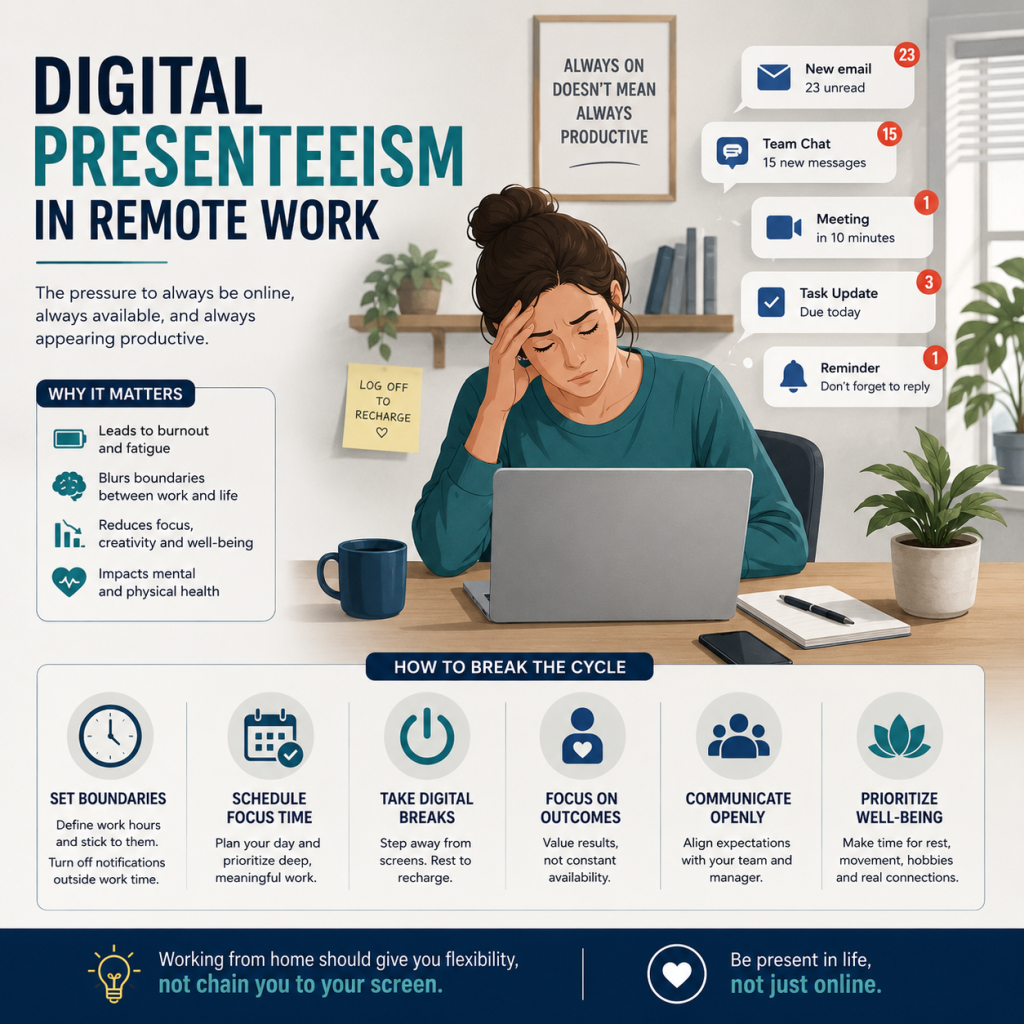
Always On Work Culture
Remote teams often operate across time zones, making it easy to feel pressure to always be available. Notifications, messages, and meetings can extend beyond normal working hours.
This always on culture increases stress and reduces recovery time. When rest is missing, confidence drops and impostor feelings grow stronger.
How to Overcome Impostor Syndrome at Work
Overcoming impostor syndrome does not mean becoming perfect or confident overnight. It means changing how you think about your work, your effort, and your progress. Small and consistent changes can reduce self doubt and help you feel more in control.
Below are simple and practical ways to deal with impostor syndrome at work.
Reframe Thoughts Using Evidence Not Emotions
When self doubt appears, emotions often take over facts. You may feel like you are not doing well, even when results say otherwise.
Try this instead:
Write down completed tasks
Note positive feedback you received
Track progress over time
Looking at real evidence helps balance emotional thinking. When facts guide your thoughts, confidence grows naturally.
Stop Measuring Self Worth by Hours Worked
Many people believe working longer hours proves their value. In reality, long hours often hide inefficiency and increase stress.
Focus on:
Quality of output
Meeting clear goals
Using time wisely
Learning healthier ways to manage time can help here. Simple approaches discussed in time tracking tips often help people understand where effort actually goes and when rest is needed.
Focus on Progress Instead of Perfection
Perfection is not a realistic goal. Progress is. When you focus only on perfect outcomes, you ignore how far you have already come.
Asking for help does not mean you are weak. It means you are aware of your limits. Many high performers struggle alone because they believe support will expose them.
In reality:
Collaboration improves results
Questions show engagement
Support reduces unnecessary stress
Healthy teams grow through shared effort, not silent struggle.
Build Confidence Through Consistent Effort
Confidence is built through repetition, not sudden success. Showing up regularly, improving gradually, and learning from experience all add up.
Consistency helps you:
Trust your abilities
Reduce fear of failure
Feel more stable in your role
Over time, steady effort creates proof that self doubt is not the full story.
How Time Tracking Can Help Reduce Impostor Syndrome
Impostor syndrome often grows when work feels invisible or unclear. When people cannot clearly see what they have done in a day or week, self doubt fills the gap. Time tracking helps by bringing structure, clarity, and facts into daily work.
When used in a healthy way, time tracking is not about control. It is about understanding effort and reducing unnecessary pressure.
Turning Invisible Work into Visible Data
Many tasks at work are not easily noticed. Planning, thinking, fixing small issues, or helping others often go unseen. Over time, this makes people feel their effort does not matter.
Time tracking helps by:
Making hidden tasks visible
Showing where time is actually spent
Providing proof of consistent effort
This clarity helps reduce the feeling that you are not doing enough.
Understanding Realistic Productivity Patterns
People often believe they should be productive every hour of the day. In reality, productivity naturally goes up and down.
Tracking time over weeks helps people:
See natural work rhythms
Understand peak focus hours
Accept slower periods without guilt
This realistic view of productivity helps reduce unfair self judgment. Many teams use structured tracking methods similar to those discussed in timekeeping to better understand daily effort without pressure.
Identifying Overwork and Burnout Risks
Impostor syndrome often pushes people to work longer than needed. Without clear boundaries, overwork becomes normal.
Time tracking helps identify:
Excessive work hours
Missed breaks
Patterns leading to exhaustion
Spotting these signs early makes it easier to correct habits before burnout sets in.
Building Confidence Through Objective Insights
Confidence grows when people see facts, not assumptions. Time tracking provides objective data that shows consistency and progress.
When people can clearly see:
Tasks completed
Time invested
Improvements over time
They rely less on emotions and more on evidence. This shift helps reduce impostor thoughts and supports healthier confidence.
How Clockdiary Supports Healthy Productivity
Productivity should support people, not pressure them. When tools are too strict or unclear, they can increase stress instead of reducing it. Clockdiary is designed to help people understand their work better without making them feel watched or judged.
Below is how Clockdiary supports healthy productivity while also helping reduce impostor syndrome.
Transparent Work and Time Insights
One of the biggest reasons impostor syndrome grows is lack of clarity. When people cannot clearly see how their time is spent, they often assume they are not doing enough.
Clockdiary helps by:
Showing where time goes each day
Making effort visible without exaggeration
Helping people recognize consistent work patterns
This transparency builds trust in your own effort. It also reflects many of the practical benefits explained in benefits of time tracking, where clarity leads to better confidence and planning.
Balanced Time Tracking Without Micromanagement
Many people fear time tracking because they associate it with control. Clockdiary focuses on balance, not surveillance.
Healthy productivity is not about doing more. It is about understanding effort, setting realistic expectations, and building confidence over time.
Tips for Managers to Reduce Impostor Syndrome in Teams
Managers have a strong influence on how safe and confident people feel at work. Impostor syndrome often grows when expectations are unclear or effort is unnoticed. With the right approach, managers can reduce self doubt and help teams work with more confidence and balance.
Here are practical ways managers can support their teams.
Set Clear Expectations and Success Metrics
Unclear expectations are one of the biggest causes of impostor syndrome. When people do not know what success looks like, they assume they are falling short.
Managers should:
Define clear goals and priorities
Explain what good performance means
Share how work will be evaluated
When expectations are clear, people spend less time guessing and more time focusing on meaningful work.
Measure Outcomes Not Assumptions
Many managers unknowingly judge performance based on visibility instead of results. This creates pressure for employees to stay busy rather than work effectively.
A healthier approach is to:
Focus on completed outcomes
Review progress regularly
Avoid rewarding long hours over real results
This mindset helps build trust and reduces fear driven performance, especially in distributed teams. It also supports long term stability, which is closely linked to topics discussed in employee retention and fixing workplace issues.
Encourage Healthy Work Boundaries
When teams feel pressure to always be available, impostor syndrome grows quickly. Managers should actively support healthy boundaries.
This includes:
Respecting work hours
Encouraging breaks and time off
Avoiding unnecessary after hours communication
Healthy boundaries show employees that rest is valued, not judged.
Recognize and Validate Team Contributions
Recognition plays a major role in confidence. When effort is acknowledged regularly, self doubt decreases.
Managers can help by:
Giving timely and specific feedback
Recognizing quiet contributions
Celebrating progress, not just results
Even small moments of recognition can make a big difference in how people feel about their work.
Conclusion
Impostor syndrome at work is more common than many people realize. It affects professionals at every level, from beginners to experienced leaders. Feeling unsure about your abilities does not mean you are failing. In most cases, it means you care about doing your work well.
Throughout this guide, we have seen that impostor syndrome often grows because of pressure, unclear expectations, and lack of visibility. It can quietly affect confidence, productivity, and work life balance. When people rely only on feelings instead of facts, self doubt becomes stronger.
The good news is that impostor syndrome can be managed. Simple changes such as focusing on progress, setting realistic goals, asking for support, and understanding how time and effort are used can make a real difference. When work becomes clearer and more balanced, confidence improves naturally.
For individuals, this means learning to trust evidence over emotion. For managers, it means creating environments where effort is seen, feedback is clear, and boundaries are respected. Productivity should support people, not exhaust them.
Impostor syndrome does not disappear overnight, but with awareness and healthy habits, it loses its power. Confidence grows when people feel understood, supported, and clear about their contribution.
In the next section, we will answer the most common questions people have about impostor syndrome at work to help you understand it even better.
What Is Impostor Syndrome?
Impostor syndrome is a feeling where people doubt their abilities and success, even when there is clear proof that they are doing well.
Do I Have Impostor Syndrome?
If you often feel like you are not good enough despite positive results or feedback, you may be experiencing impostor syndrome.
What Causes Impostor Syndrome?
It is commonly caused by high expectations, lack of feedback, comparison with others, and unclear measures of success at work.
How Do I Overcome Impostor Syndrome?
You can reduce impostor syndrome by focusing on evidence, setting realistic goals, asking for support, and building healthy work habits.
How Do I Deal With Impostor Syndrome at Work?
Clear expectations, regular feedback, balanced workloads, and understanding your effort through facts can help reduce self doubt at work.
Should I Tell My Boss I Have Impostor Syndrome?
If your workplace is supportive, sharing your feelings can help improve communication and expectations. It depends on your comfort level and work culture.
Can Impostor Syndrome Ever Be Helpful?
In small amounts, it can push people to learn and grow. But when it causes stress or overworking, it becomes harmful.


 Kapil Garg